The Ultimate Guide to Livestock Sheds: Everything You Need to Know
Welcome to the ultimate guide to livestock shed, a comprehensive resource that will equip you with everything you need to know about this essential aspect of livestock farming. Whether you are a seasoned farmer looking to expand your operations or a beginner seeking to venture into the world of animal husbandry, this guide will serve as your go-to reference.
From understanding the purpose and benefits of livestock sheds to selecting the right materials for construction, designing efficient layouts, and implementing proper ventilation systems, we will cover every aspect in detail. We will delve into best practices for managing livestock, ensuring their comfort and well-being, and optimizing productivity.
Additionally, we will explore the latest technological advancements in animal husbandry, such as automated feeding systems and waste management solutions. Prepare to gain valuable insights, practical tips, and expert advice that will empower you to create a thriving and sustainable livestock operation. Let's dive in and unlock the potential of livestock shed together!

Benefits of livestock shed The use of livestock shed offers numerous benefits for livestock farmers. One of the key advantages is improved animal health and welfare. By providing a clean and controlled environment, livestock barns help minimize the risk of diseases and infections, resulting in healthier animals.
The barns also protect the animals from extreme weather conditions, ensuring their comfort and reducing stress. This, in turn, leads to higher productivity and better overall performance of the livestock. Another benefit of livestock shed is increased efficiency in feed management. The barns can be designed to have dedicated feeding areas, allowing for better control and monitoring of the animals' nutrition. This helps prevent feed wastage, ensures a balanced diet for the livestock, and ultimately leads to improved growth rates and milk production. Moreover, the controlled environment of the barns helps reduce the impact of external factors, such as pests and predators, on feed availability and quality.
Additionally, livestock shed enables better waste management practices. Proper waste management is crucial for maintaining hygiene and preventing the spread of diseases. Livestock barns can incorporate systems for collecting, storing, and disposing of waste in an efficient and environmentally friendly manner. This not only ensures the health and safety of the animals but also minimizes the impact on the surrounding environment.
The use of livestock shed offers numerous benefits for livestock farmers. One of the key advantages is improved animal health and welfare. By providing a clean and controlled environment, livestock barns help minimize the risk of diseases and infections, resulting in healthier animals. The barns also protect the animals from extreme weather conditions, ensuring their comfort and reducing stress. This, in turn, leads to higher productivity and better overall performance of the livestock.
Another benefit of livestock shed is increased efficiency in feed management. The barns can be designed to have dedicated feeding areas, allowing for better control and monitoring of the animals' nutrition. This helps prevent feed wastage, ensures a balanced diet for the livestock, and ultimately leads to improved growth rates and milk production. Moreover, the controlled environment of the barns helps reduce the impact of external factors, such as pests and predators, on feed availability and quality.
Factors to consider when building a livestock shed When planning the construction of a livestock shed, there are several important factors that need to be considered to ensure the success and efficiency of the facility. These factors include:
1. Location: The location of the barn is crucial for various reasons. It should be easily accessible for transportation of livestock and feed, while also considering proximity to markets and veterinary services. The site should be well-drained and away from flood-prone areas. Additionally, the barn's location should comply with local zoning regulations and environmental requirements.
2. Size and Layout: The size of the barn should be determined based on the number of animals and the specific requirements of the livestock species. Sufficient space should be allocated for feeding areas, resting areas, and storage of equipment and supplies. The layout should be designed to facilitate efficient movement of animals and workers, as well as optimize workflow and minimize labor requirements.
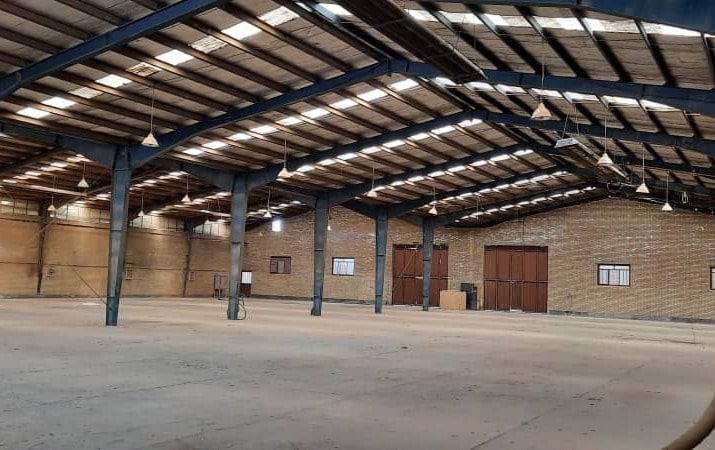
3. Material Selection: The choice of materials for constructing the barn is important for durability, insulation, and ease of maintenance. Common materials used for livestock sheds include steel, concrete, and wood. Each material has its advantages and limitations, and the selection should be based on factors such as cost, climate, and local building codes.
4. Ventilation and Lighting: Proper ventilation is essential for maintaining good air quality and temperature control inside the barn. The ventilation system should be designed to ensure adequate airflow, remove moisture and odors, and prevent the buildup of harmful gases. Natural lighting should also be considered to reduce the need for artificial lighting during the day, which can help save energy and create a more natural environment for the animals.
5. Water and Waste Management: Provision of clean and sufficient water is critical for the health and well-being of the livestock. The barn should have a reliable water supply system, with adequate troughs or automatic watering systems. Waste management systems should also be incorporated to handle manure and other waste products generated by the animals. These systems can include storage facilities, composting areas, or anaerobic digesters for biogas production. By considering these factors during the planning and construction phase, farmers can ensure that their livestock shed is designed to meet the specific needs of their livestock, maximize efficiency, and promote animal welfare.

Managing and maintaining livestock shed Managing and maintaining a livestock shed is crucial for the long-term success and sustainability of the operation. Here are some key tips to consider:
1. Regular Cleaning and Sanitization: Regular cleaning and sanitization of the barn are essential for maintaining hygiene and preventing the spread of diseases. The barn should be cleaned daily, with particular attention to feeding and resting areas. Manure should be removed and properly disposed of, and surfaces should be disinfected regularly.
2. Monitoring and Health Management: Regular monitoring of the animals' health and well-being is important for early detection of any issues. This can include observing behavior, checking for signs of illness or injury, and monitoring feed and water consumption. Vaccinations and preventive treatments should be administered as recommended by veterinarians.
3. Record-Keeping: Maintaining accurate records of the animals' health, reproductive history, and productivity is important for effective management. This can include records of vaccinations, treatments, breeding cycles, and milk production. These records can help identify trends, track performance, and make informed management decisions.
4. Feed Management: Proper feed management is crucial for ensuring optimal nutrition and productivity of the animals. Feed should be stored in clean and dry conditions to prevent spoilage and contamination. It is important to regularly monitor feed quality and adjust rations based on the animals' nutritional requirements.
5. Equipment Maintenance: Regular maintenance and servicing of equipment are important to ensure their proper functioning. This includes cleaning, lubrication, and inspection of moving parts. Any faulty or damaged equipment should be repaired or replaced promptly to prevent disruptions to the operation.
6. Training and Education: Continuous learning and staying updated with the latest advancements and best practices in animal husbandry are essential for successful management. Farmers and workers should attend training programs, workshops, and conferences to enhance their knowledge and skills. By implementing these management practices and ensuring regular maintenance, farmers can create a healthy and productive environment for their livestock and maximize the potential of their livestock shed operation.

Comments
Post a Comment